How to harvest maize for dairy cow feeding
Maize is the most common feed for dairy cows. As well as containing vital nutrients, the starch in maize also provides cows with the energy they need to produce milk and/or meat. When harvesting maize for whole-crop silage it is essential to conserve 100% as this is your base for the coming year. This article looks at a few points that you should bear in mind.

Feeding
When to harvest maize
Maize is usually harvested at around 35% dry matter content (DM). If the DM is too high, it will be difficult to press all the air out in the bunk, and this will encourage heating. If the DM is too low, the maize is not ready for harvesting and therefore liquid losses will be huge. The DM level can be judged by looking at the plant itself and the corn's ‘milk line’, as the corn is about 50% of the DM. The ‘milk line’ is the separation between the solid and liquid part within the corn. The best place to judge the milk line is in the middle of the cob. To get the best out of the corn/starch it is important that the black layer is changing colour, as this indicates that the corn contains its maximum starch level.
How to harvest
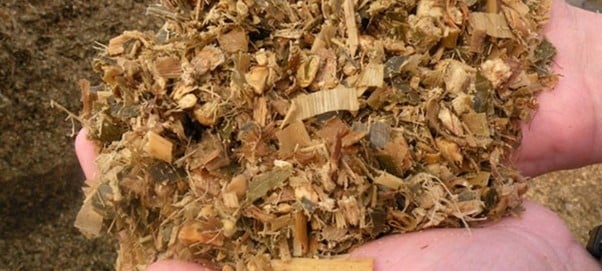
When harvesting, a few things are essential: first, the maize must be chopped, and secondly, the corn must be cracked properly. It is difficult or even impossible for cows’ rumen to digest incompletely cracked corn. This results in a low feed efficiency, which will be visible in the cows’ manure. During harvesting, you should regularly check the results in the bunk to make sure that the harvested crop meets your expectations and requirements.
Bunk management
Think in advance about need and feed speed during the year. If the feed speed is too low, heating will occur and may result in butyric acid. Consider the dimensions of your pit: perhaps you should make a ‘winter’ and ‘summer’ pit. When making the silage bunk, make sure you divide the maize across the whole pit and build it up layer by layer like lasagne. When finishing the bunk, make it ‘round’ on top and make sure that the last 50cm is compacted intensively. After the final load is delivered, keep driving on the bunk for at least half an hour longer with a heavy tractor or loader. Cover the bunk as soon as possible and make sure that no air can enter as this will stimulate the fermentation process and prevent heating.
Summary
Roughages are the base for dairy-cow rations. Although harvesting is usually done under great time pressure it is worth doing well because of the important contribution it makes to ensuring healthy cows and productive management.


